

Pretty sure I would have cried (actual grown woman tears) had it not been so funny at the same time ❤️🌺🌸 very beautiful and well thought out and put together. Soundtrack slaaaaaaaaps! ❤️!
(Image of film poster + screening times)
#KFCBWinOverRafiki
how can hashtags communicate meaning and affirm online presence?
#RAFIKI
A prominent theme emerging from the Twitter conversation around Rafiki is the affirmation of queer representation and the pride inspired by seeing African LGBTQ+ lives on screen. Tweets celebrating the film as a major accomplishment in African queer cinema, such as one stating, “The biggest takeaway from the unfolding #RafikiFilm story is the importance of representation in the arts… When you see your reality represented, it instills a pride in your truth” (@stellanjogo 2018), illustrate the dominant reading described by Hall (1997). These viewers accept and echo the film’s underlying message of visibility and the transformative potential of representation for marginalized communities.
Within this theme, negotiated readings also emerge. Some users acknowledge the importance of representation but simultaneously frame it as secondary or a distraction amid wider social issues. For example, one tweet calls the “fanfare about the #RafikiFilm” a “necessary distraction” (@Tata_YaBana 2018), indicating a partial acceptance of the film’s message while situating it within a hierarchy of perceived priorities.
Finally, strong oppositional readings are also visible, particularly from users who reject the ethos of representation altogether. Tweets such as “#RafikiFilm promoting LGBT is evil and one day everyone will give account of their actions” (@annembuti 2018) and assertions that queer narratives constitute a “Western imposition” (@ngengimagana 2018) exemplify the outright refusal of the film’s preferred meaning, instead framing visibility as antithetical to local values and norms. The same user doubles down: "Reflect upon your life and the word of God He made Adam and Eve not Eve and Jill or Adam and steve stop imposing western values on our children…. Oh I pity this last generation @rafikifilm."
#queerafrican
Mental Disorder is real…
If symptoms persist after today, please consult your doctor 😷
#QueerAfrican
#lehakanya #queer #queerafricans #wearehere

Remind them:
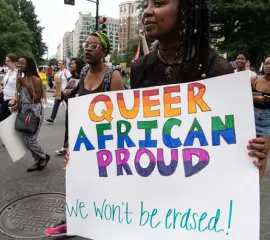
Queer is African.
Queer was African.
Queer will always be African.
We didn’t import queerness.
We exported erasure.
#QueerAfrica #DecolonizeGender #LGBTQ
In Nigeria and Africa as a whole
It's difficult finding queer people that don't have internalized homophobia and misogyny.
I need people that have done the work and un-learnt so many things
#queerafricans #QueerNigerians #LGBTQIA #LGBTQ
#lgbtafrica #queerafrican
#queerafrican #lgbtafrica
Another reminder to all that we are both queer and African and we will stand up and speak out.
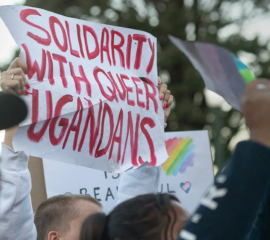
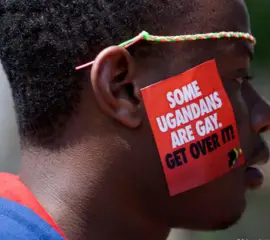
#QueerAfrican #SupportLGBTQUganda
(Quote Tweet responding to anti-LGBTQ claim)
#Africanfeminist #Afrifem #sexpositivity #QueerAfrican
x.com/queerafricans/…
queerafricannetwork.com
#queer #Entrepreneurship
#sanegbaa_podcast #queerafricans #lgbt #killthebill #africanqueerlivesmatter
#QueerKenya #Queer #Elijibitikyu
thisisafrica.me/find-new-words…
#QueerAfrican
thisisafrica.me/find-new-words…
#QueerAfrican
#QueerKenya #Queer #Elijibitikyu
Interestingly, most of these countries also have very unfair policies targeted at Black African Travellers.
Cape Verde, Mozambique deport Black Africans all the time
And SA…😬
#QueerAfricans #AntiAfricanXenophobia
THE CONSTRUCTION OF QUEER african IDENTITY
representation
Language is a primary tool in the production of social realities, culture, and identity. Drawing on Hall’s insight, representation is a “practice” of organizing and selecting certain aspects of the world through language, always operating within specific power relations and discourses (Hall 1980). In contexts like the #QueerAfrican Twitter discourse, language emerges as a crucial discursive space where meanings around identity and visibility are actively negotiated.
Users strategically mobilize affirming phrases such as “Queer is African” (@monD_Motadi 2025) and “We Are Africans, We Are Queer And We Are Here!!!” (@LEHAKenya 2021) as declarative statements. More than simply declaring identity, these statements also function as performative acts of cultural reclamation and resistance. Through repeated affirmations, they operate as counter-discourses that challenge narratives delegitimizing queer African lives. For example, Eddy Moukoumbi’s tweet, “Queer African is not something foreign... we just finally unleash our true self where we are safer!” (@teddymoukoumbi 2024) strategically employs language to contest the idea that queerness is an externally derived identity.
Through this conscious use of language and careful choice of words, queer Africans mark their position in relation to normative and marginalizing social structures, signaling belonging and asserting a collective presence. The hashtag #QueerAfrican itself operates as a powerful linguistic and symbolic resource that solidifies an imagined community. It transforms language into a collective practice that produces and reinforces a shared identity of queer Africans resisting the hegemonic system of norms. This practice actively breaks down the hierarchical structures of exclusion and oppression.
The work of naming and claiming identity through language reveals representation as inseparable from power. Confronting opposition, tweets like “So when someone says ‘queer is un-African’— remind them: Queer is African. Queer was African. Queer will always be African” (@monD_Motadi 2025) emphasize acts of resistance. The political effects of such language are not limited to communication alone but reshape social relations by destabilizing dominant ideologies.
the reconstruction of queer african identity
re-presentation
If systems of representation often reflect queer Africans through hegemonic lenses, emphasizing the normalization and naturalization of identity in mainstream media, then re-presentation marks the act of reclaiming that process. It is the practice of reshaping meaning, where marginalized voices reconstruct identity on their own terms. Within the #QueerAfrican discourse, this representation resists, reconfigures, and opens space within these limited frameworks for alternative narratives that emphasize visibility and collective belonging.
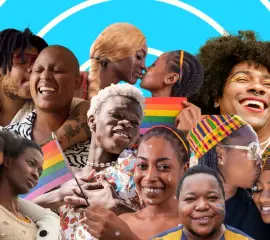
To wrap it up, the mood and tone of most #QueerAfrican tweets radiate joy and solidarity. Pride and unapologetic affirmations like “This is me, and I’m here to stay” capture a spirit of togetherness and empowerment. By carving out space to be fully visible and celebrate each other, this movement stands as a powerful testament to inclusivity, self-definition, and self-construction. The hope and solidarity expressed throughout these posts highlight the community’s strength and resilience in challenging marginalization and advancing positive representation.