• AFST 309: Adv Sem in Lang Lit and Arts

African Studies Graduate School

Annex III, 4th & College Streets, NW Washington, DC 20059

Phone Number

(202) 238-2327

Email Address

[email protected]

alternate identity - Angel

Photographic series

Animate Image
Animate Image

Q+

Alternate identity (2019)

Concept and Intention
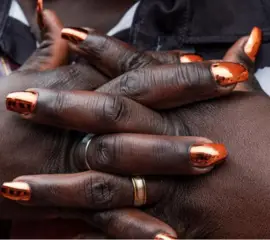
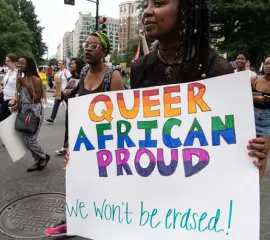
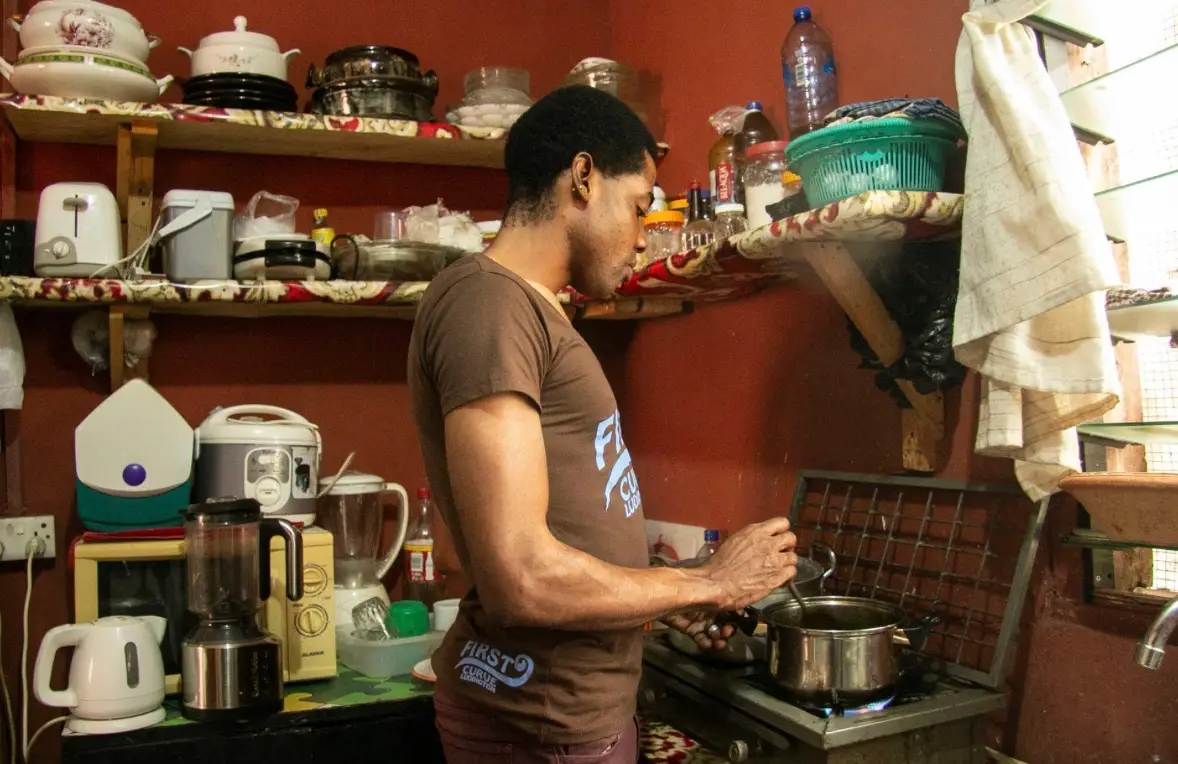
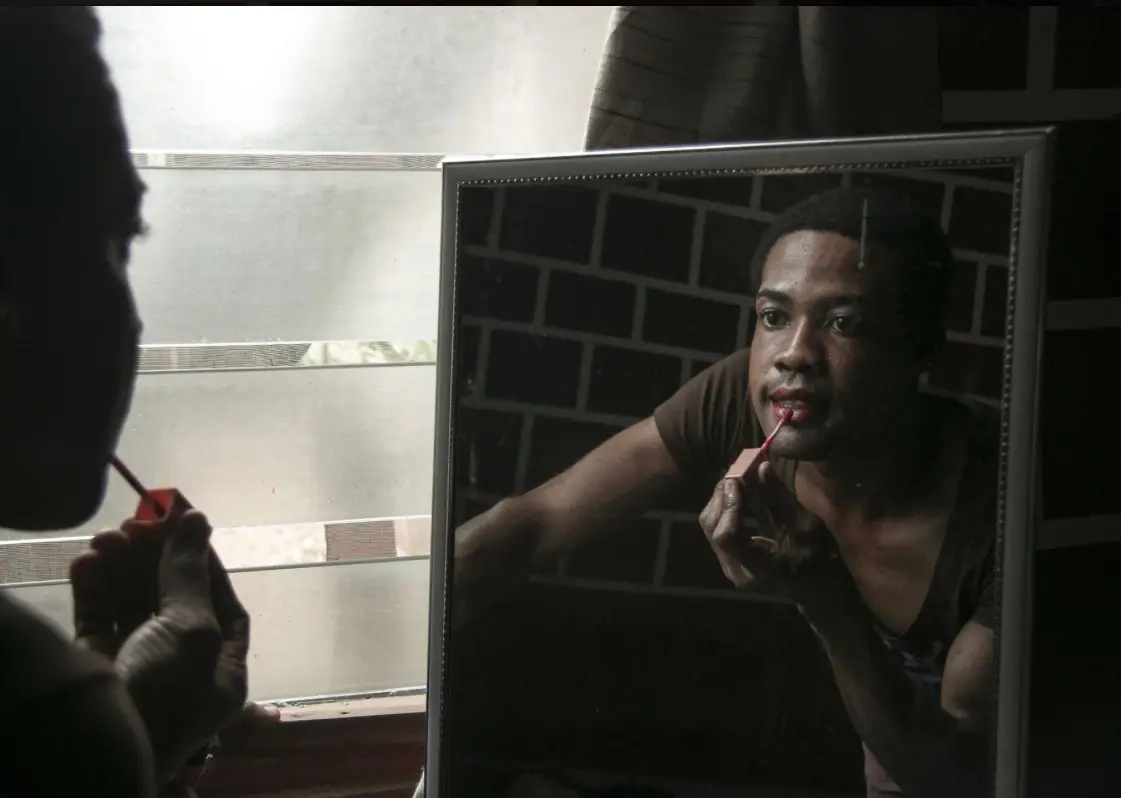
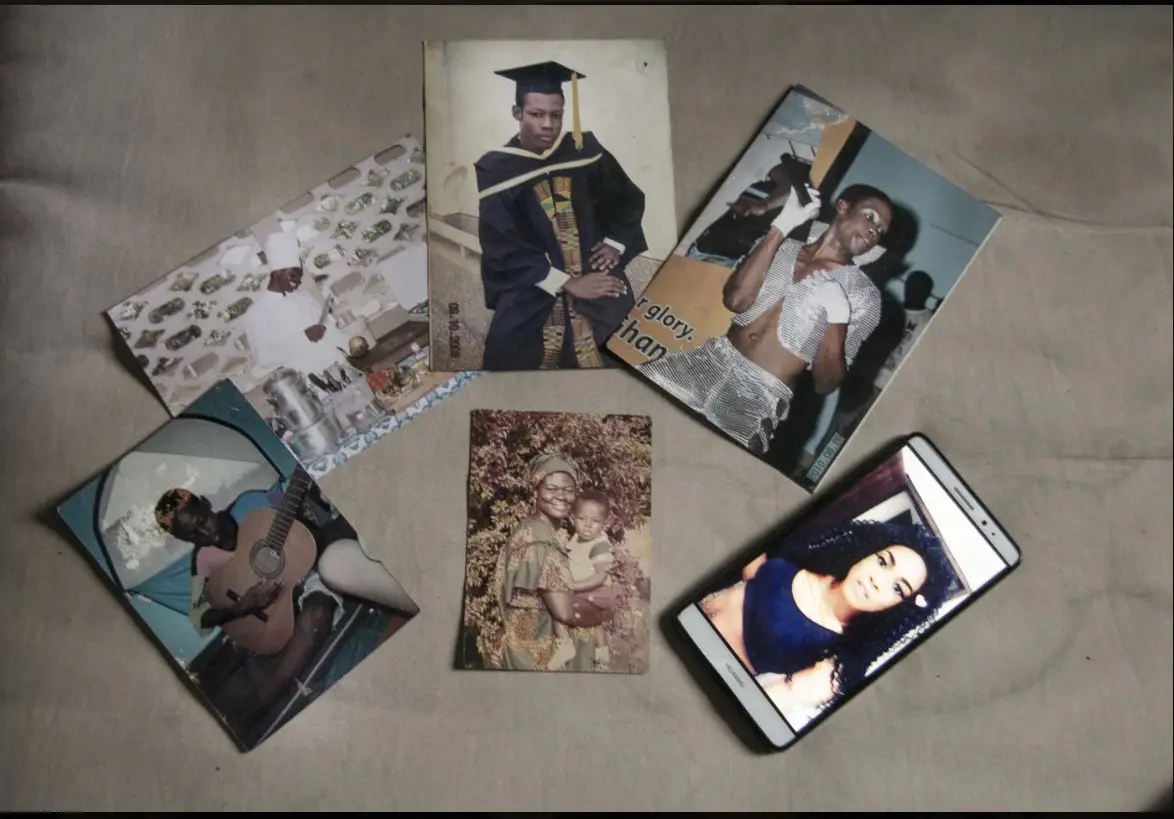
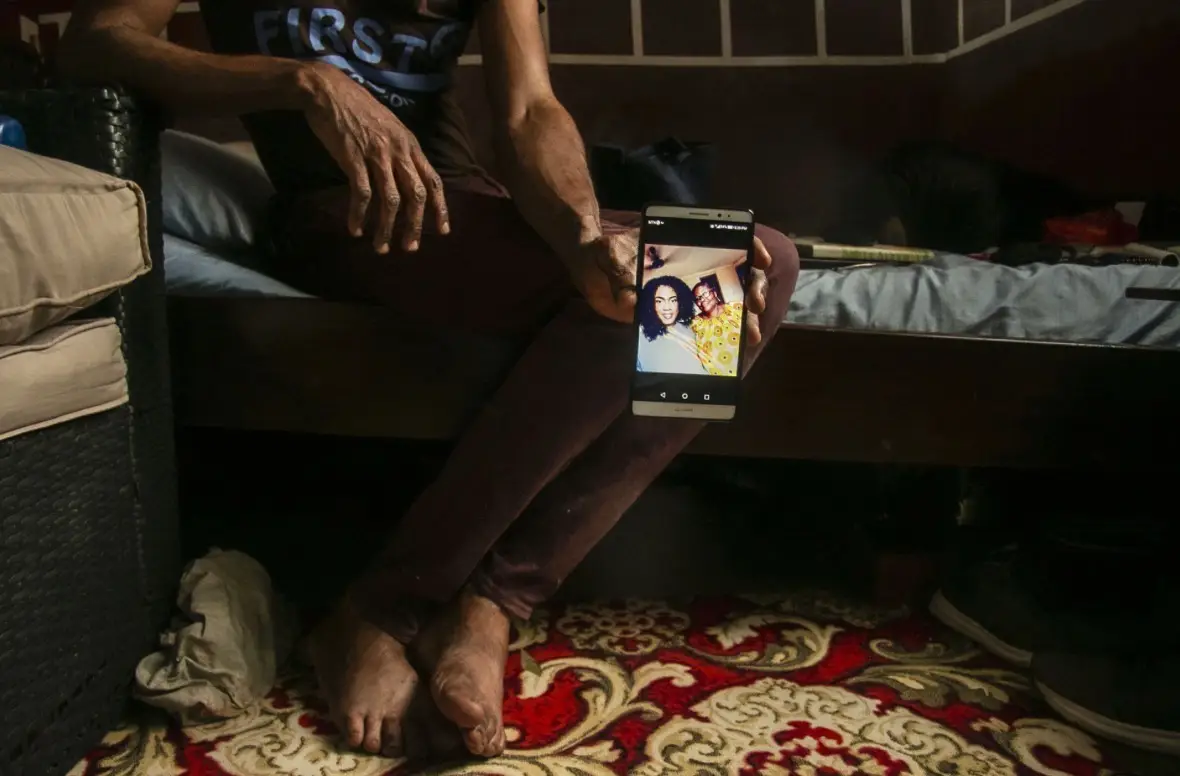
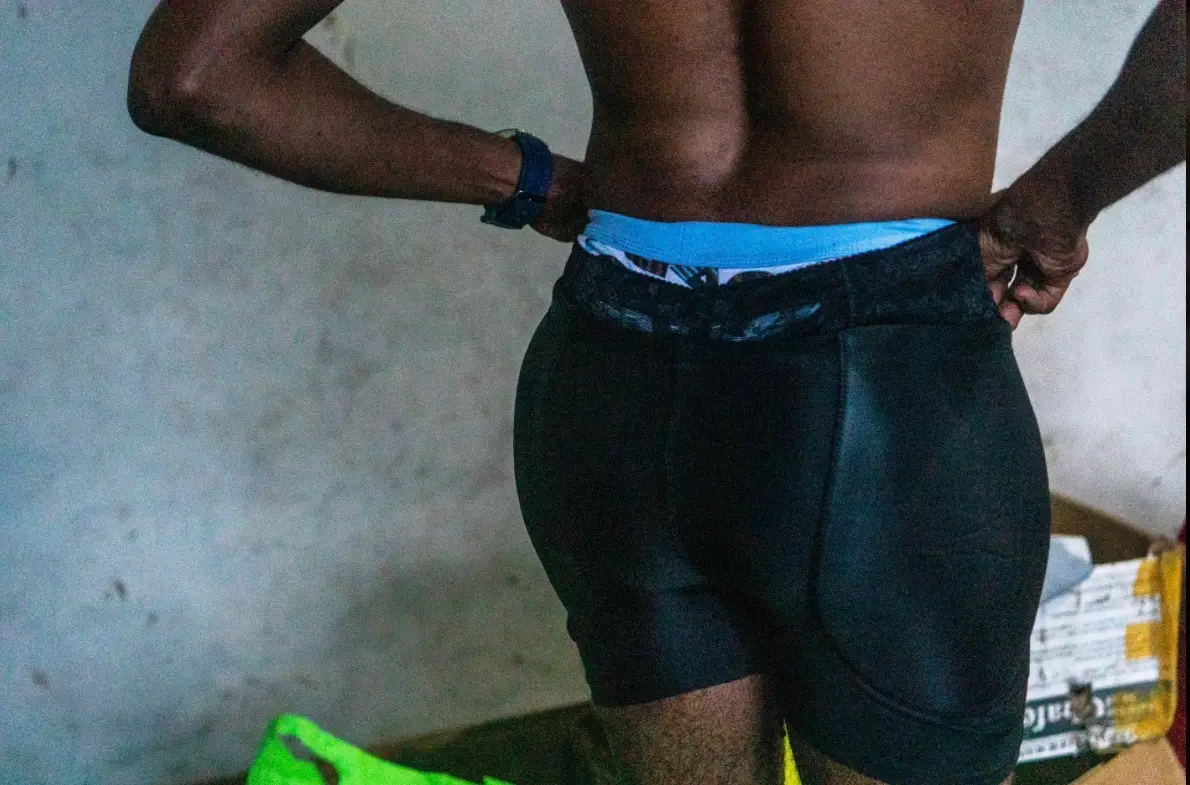
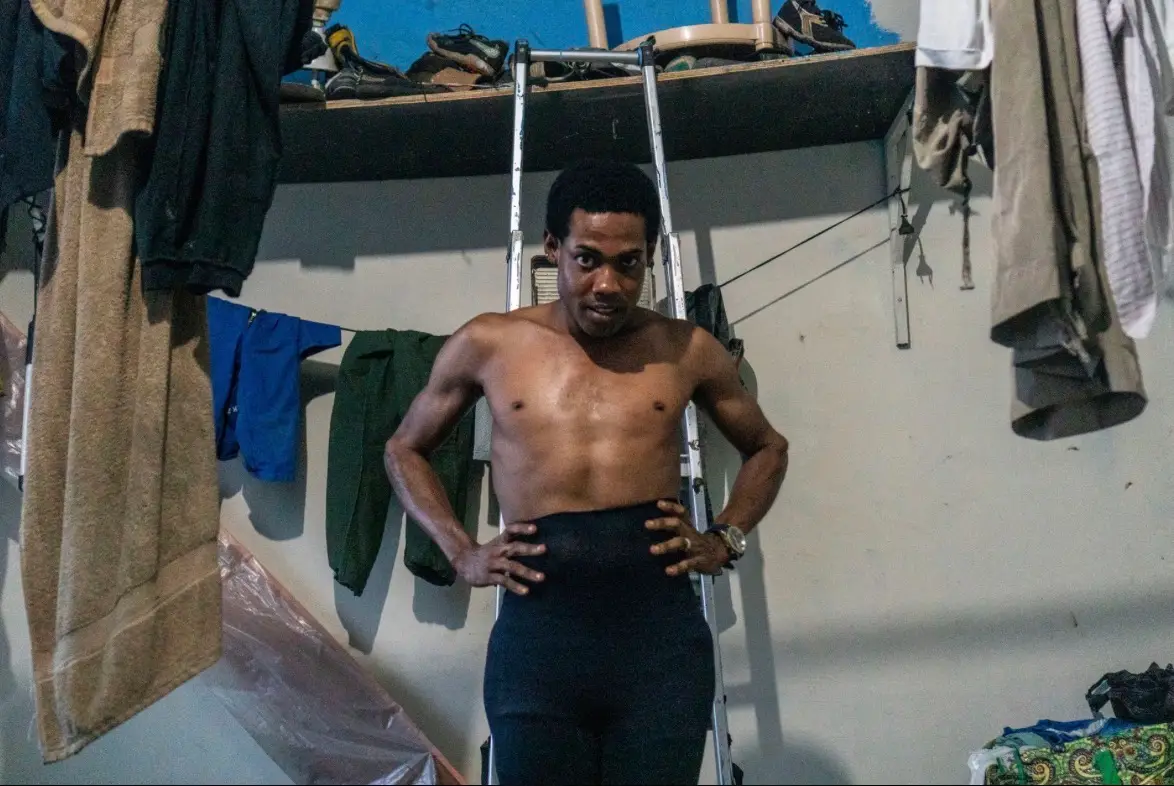
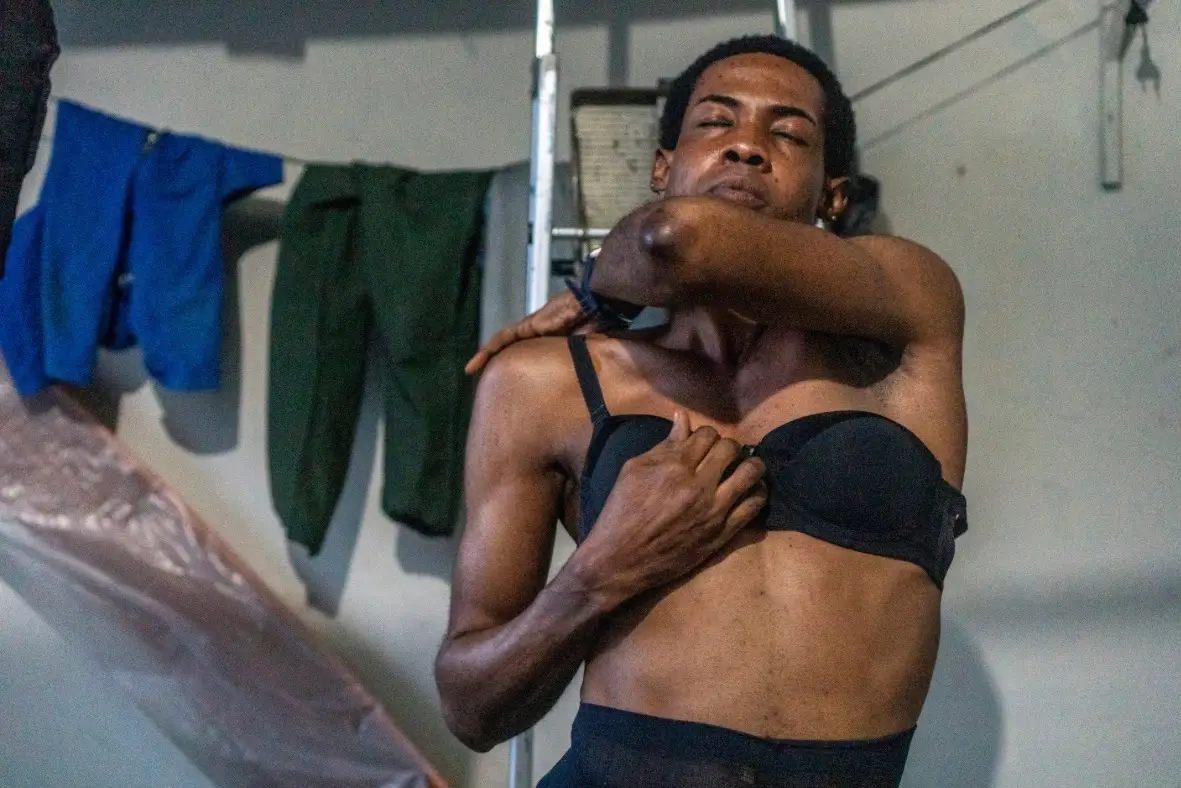
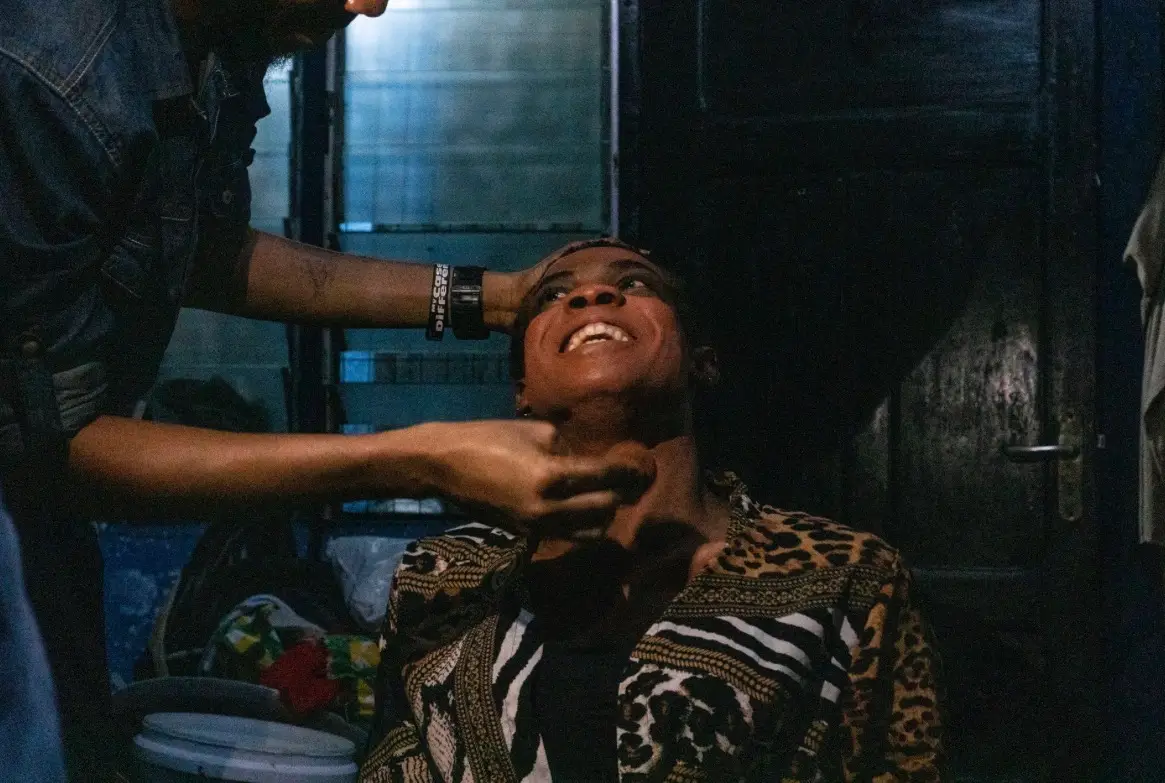
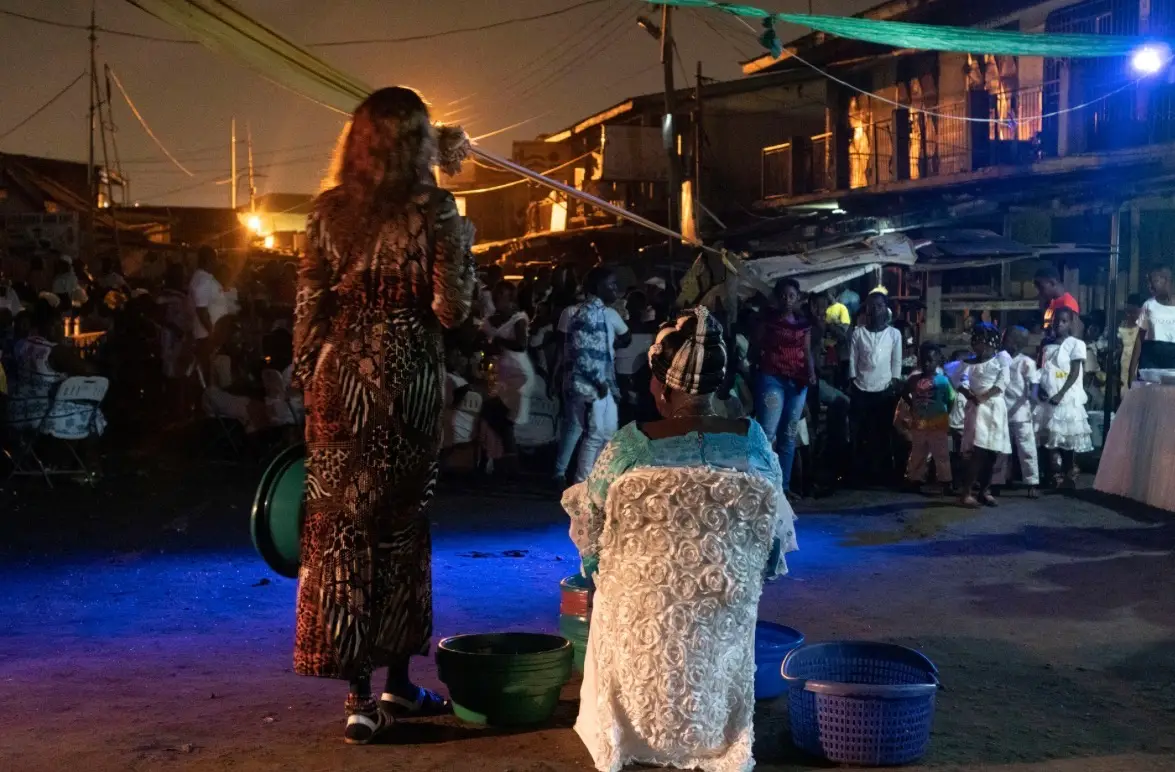
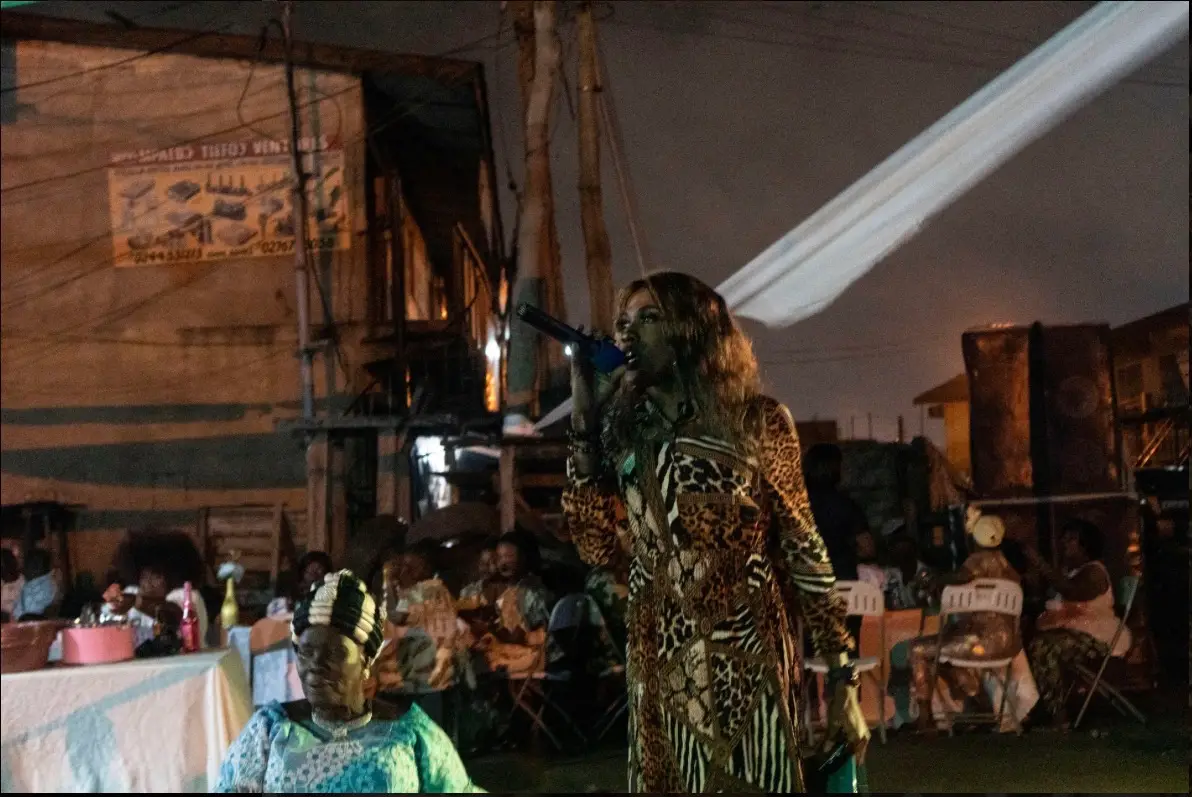
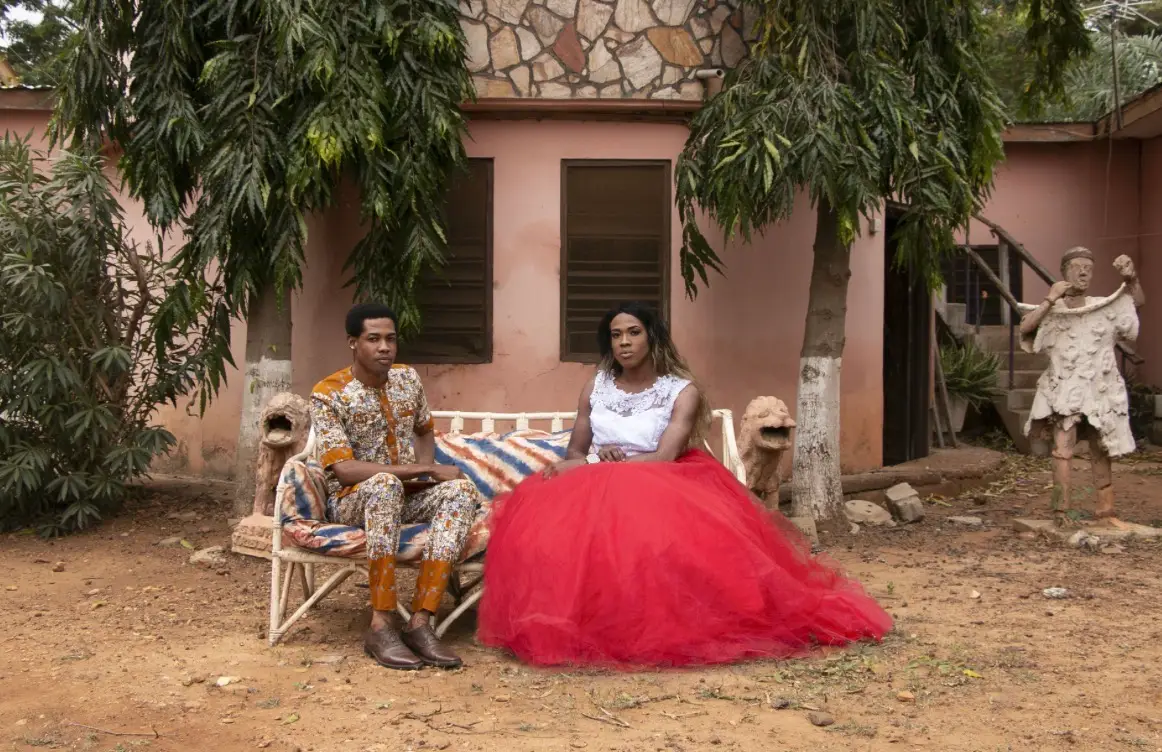
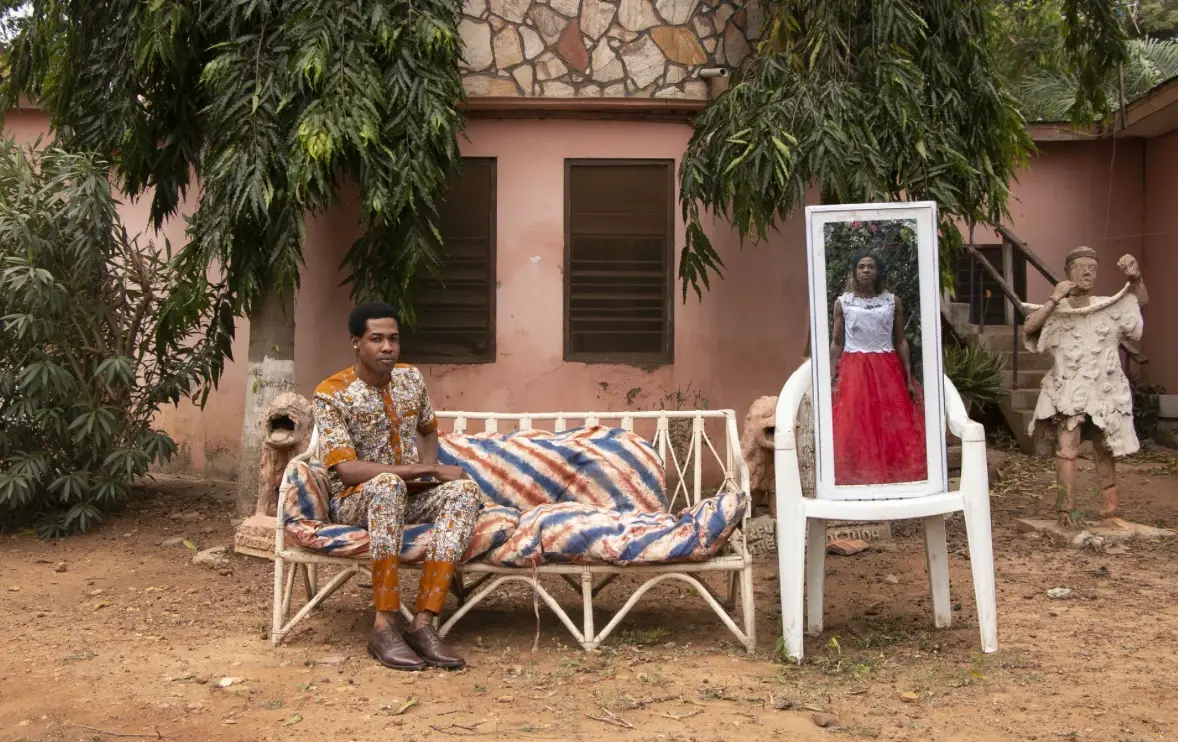
Nengi Nelson’s photographic series Alternate Identity explores the "fluidity of selfhood" through the lived experience of Angel, a 35-year-old Ghanaian woman (Nelson 2019). The images question gender binarism by depicting the range of masculine and feminine expressions Angel displays in everyday life. More than aesthetic images, the portraits reveal Angel’s personal journey with identity. Through her story, the series encourages viewers to rethink fixed gender categories and reflect on the personal and social factors that shape identity.

Nengi Nelson

SERIEs gallery

Encoding

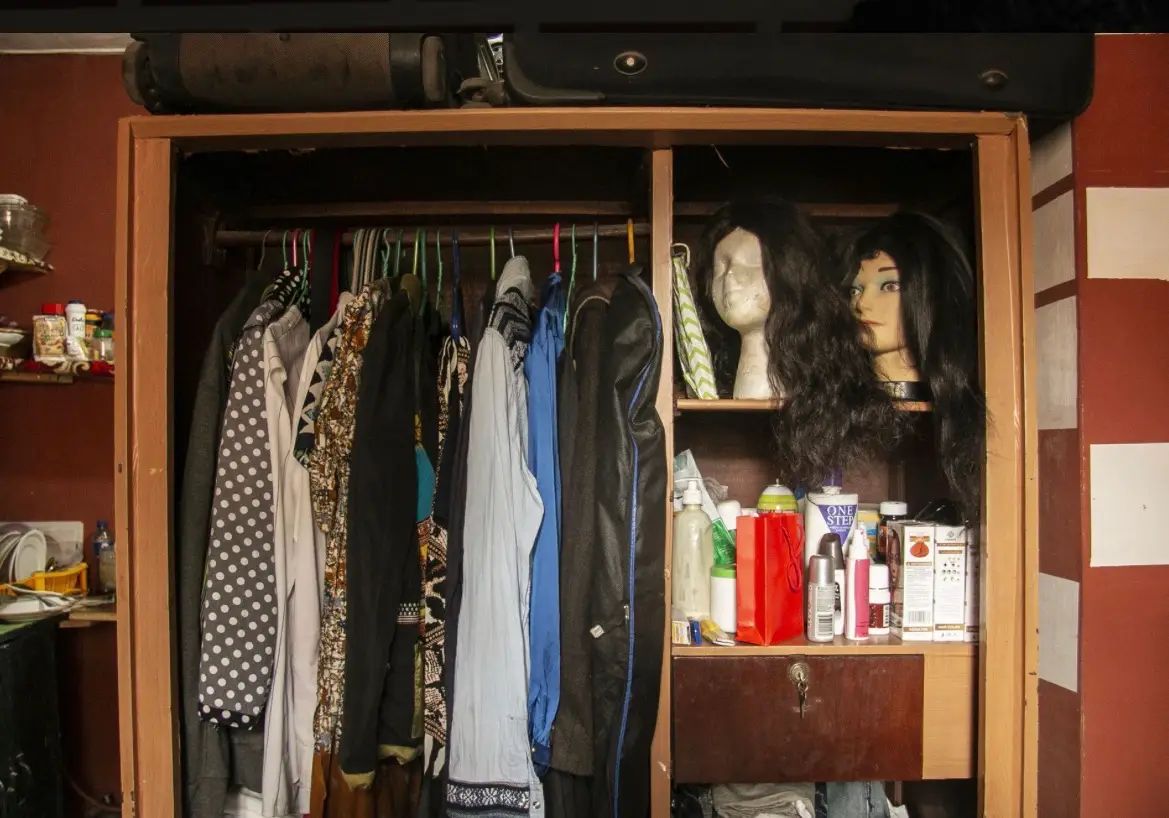
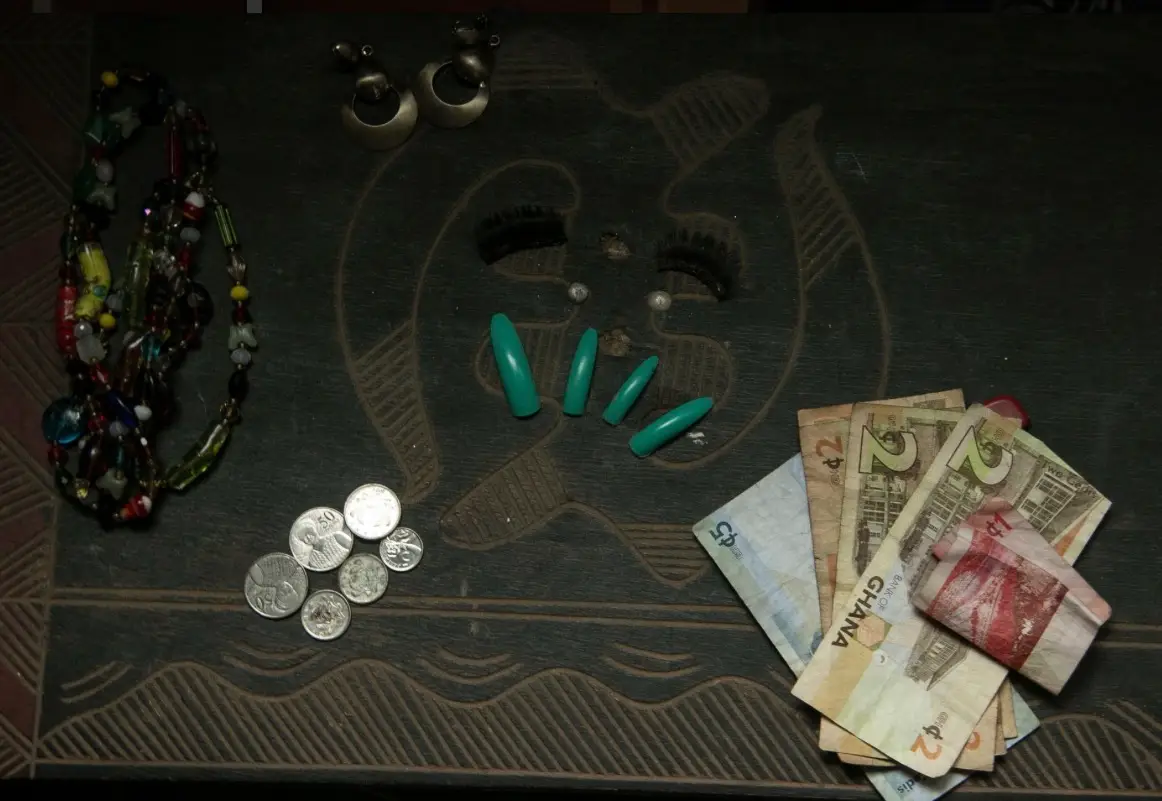
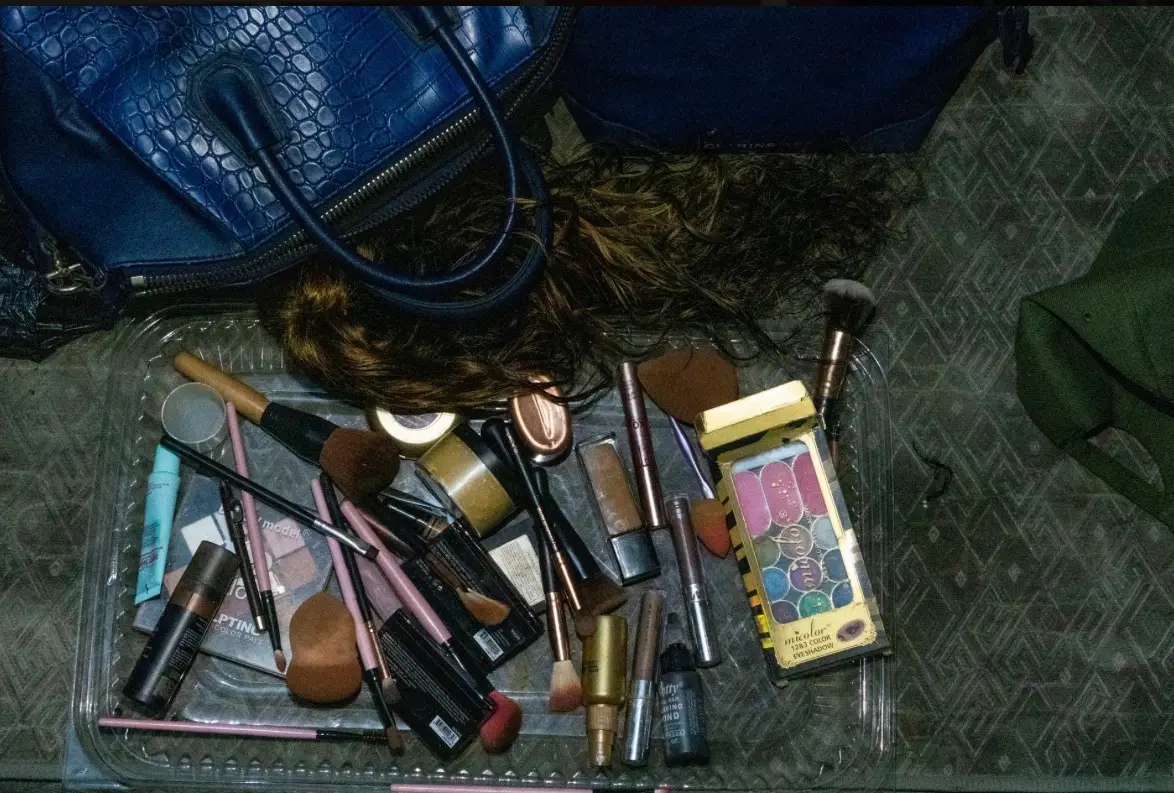
Nelson (2019) encodes the idea that gender and selfhood are not confined to binary definitions of male/female or masculine/feminine. Through Angel's portraits, she expresses gender fluidity through intimate symbols and personal objects that both reflect and reshape cultural norms. Wigs and wardrobe choices highlight identity as performative, resisting fixed gender roles and affirming personal self-expression. Mirrors evoke introspection and the tension between one’s inner sense of self and the ways they are perceived by others. Pills and money symbolize vulnerability, survival, and the precarity often faced by queer individuals. Intimate garments, such as bras, assert bodily autonomy and a clear rejection of heteronormative expectations. Through these elements, Nelson encodes and portrays identity as a continuous process of introspection and self-discovery.

Circulation

Alternate Identity (2019) primarily circulated through social media platforms, especially her official Instagram account (@nenginelson1) and those of partner organizations like @gasfoundation and @yinkashonibarefoundation. This digital presence allowed the series to reach audiences both locally in Africa and internationally. While the work has also been featured in exhibitions, such as the 2019 LagosPhoto Festival and galleries like the Centre for Contemporary Art, Lagos, social media remains its main platform for engagement and visibility. This mode of circulation through online platforms and use of digital media has helped to further discourses on gender and queerness in African contexts.

Decoding

Audience responses to Alternate Identity generally align with Nelson’s intended message. Many viewers regard the series as a compelling affirmation of queer identity. Documented audience engagement, such as at the Guest Artists Space (G.A.S.) exhibitions, indicates widespread positive reception. G.A.S. reported that guests “were encouraged to respond, ask questions, and reflect on the layered connections between the works,” leaving “with a deeper understanding of Nengi’s practice” and an appreciation of photography’s ability to evoke memory, gesture, and introspection.

In contrast to Rafiki, which sparked polarized public debate and a range of interpretations due to its groundbreaking significance, Alternate Identity has not produced notable (documented) negotiated or oppositional readings in public or online forums. This difference likely results from the distinct social and political implications tied to film versus photographic art, as well as disparities in exposure, medium, and institutional support or resources.