
case study
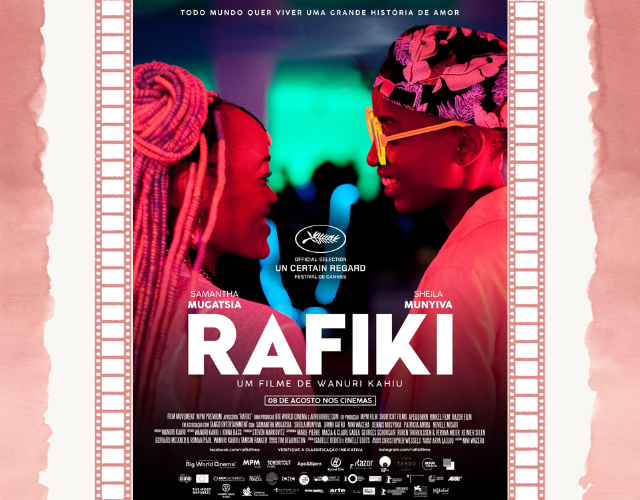
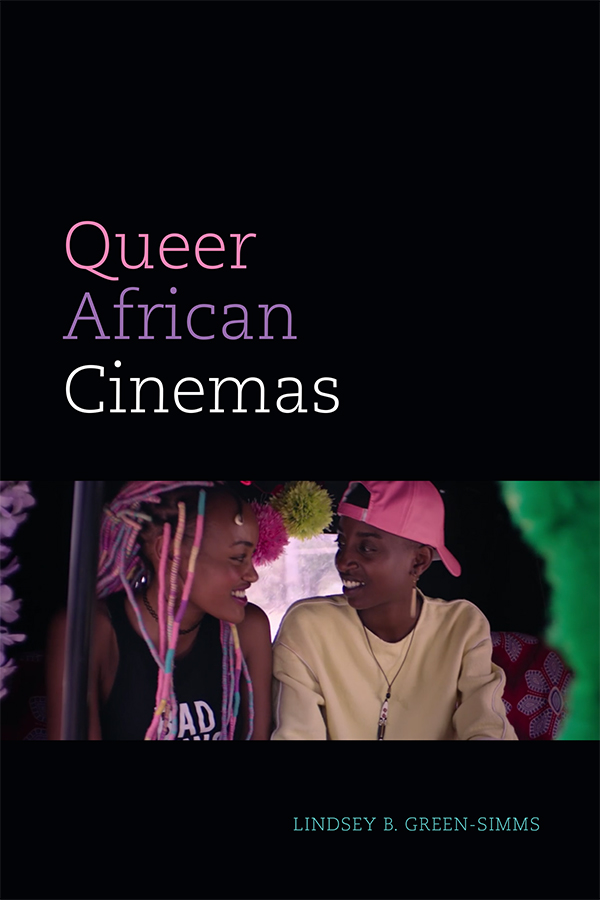
Rafiki, directed by Kahiu (2018), was encoded as a story of queer love in contemporary Nairobi. Kahiu aimed to create a vibrant, optimistic film about joy, love, and possibility, intentionally countering dominant narratives of trauma that often shape representations of queer African lives (Kahiu in Wong 2018). In the interview, Kahiu stated that she wanted "to show that Africans can fall in love and have happy endings" and to offer "a counter-narrative to the single story of pain." Thus, the film was encoded to normalize queer relationships and challenge anti-LGBTQ+ narratives in Kenya.
Circulation
Rafiki encountered significant barriers to circulation within Kenya. The Kenya Film Classification Board (KFCB), overseen by Ezekiel Mutua, banned the film for “promoting homosexuality,” citing the country's penal code that criminalizes same-sex relationships. This institutional censorship restricted the film’s intended circulation and blocked audiences from engaging with the preferred reading locally. Nevertheless, Rafiki achieved remarkable visibility internationally. It became the first Kenyan feature selected for the Cannes Film Festival, receiving global acclaim and distribution across multiple countries (Zeitz MOCAA n.d.). Later, Rafiki became available on platforms such as Netflix and Amazon Prime Video, thereby reaching a transnational audience. Digital streaming services extended the film’s circulation beyond national restrictions and facilitated access for viewers unable to see it in Kenyan theaters.
Decoding
The dominant reading, especially among international critics and LGBTQ+ activists, celebrated the film as a representation of LGBTQ+ life and African modernity (Ghosh 2019). At Cannes, reviews were positive. The Guardian (2018) called the film “sweet” and noted it was “aiming to change Kenyan hearts and minds,” while Screen Daily (2018) remarked that Rafiki “brings fresh energy to a subject that may seem overly familiar to western eyes.” Nyabola (2018) points out that this global embrace contrasted with the state’s official reaction in Kenya.
Negotiated readings appeared among some Kenyan audiences who acknowledged Rafiki’s artistic merit and cultural importance, even though its themes conflicted with their personal beliefs and 'infringed' social norms. Responses on X under #KFCBbansLesbianFilm illustrate this tension. One user remarked, “It’s art, it’s a movie, whatever you pick from it is your problem…if they don’t like it, don’t watch it. yes lesbianism is not right gayness is not right, so is sleeping with someone’s wife” (@Wango_frank14). Another stated, “Should we also authorize porn films in our cinemas?...the ban on this movie should stay…if you must practice homosexuality do it in the confines of your bedroom....and keep quiet!” (@masterkiarie). These perspectives somewhat recognize both artistic freedom and adherence to dominant moral codes.
The oppositional reading was institutional and rooted in conservative cultural and legal norms in Kenya, where homosexuality is criminalized. The KFCB demonstrated this position by banning Rafiki and presenting it as a threat to national values. Nyabola (2018) notes that the film’s rejection triggered debates about visibility and rights for LGBTQ+ individuals in Kenya. For these viewers, including the KFCB, Rafiki’s positive portrayal of queer relationships conflicted with a dominant framework that identifies same-sex relationships as immoral. Although the film’s intended message was acknowledged, it was rejected, providing justification for censorship and maintaining the ban. The preferred meaning encoded by the filmmaker was resisted through both official and conservative responses.