

African Studies Graduate School
Annex III, 4th & College Streets, NW Washington, DC 20059
Phone Number
(202) 238-2327
Email Address
AFST 309: Adv Sem in Lang Lit and Arts
Annex III, 4th & College Streets, NW Washington, DC 20059
(202) 238-2327

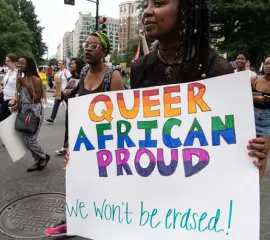
Pamela Adie is a Nigerian filmmaker, LGBTQ+ activist, and media advocate who uses film and storytelling to amplify queer voices in Nigeria and beyond. As a producer and advocate, she focuses on challenging social stigma, promoting visibility, and supporting the growth of queer media in environments where such narratives are often censored or marginalized.
Ìfé, Produced by Pamela Adie and directed by Uyaiedu Ikpe-Etim, Ìfé is a groundbreaking Nigerian lesbian romance film that celebrates queer love and challenges pervasive homophobia. (Kahiu 2018; Mbaru 2019). Adie and Ikpe-Etim encoded Ìfé with deliberate messages of love, authenticity, and resilience, aiming to normalize queer relationships and combat erasure in Nigerian society (BBC News 2022).
Due to censorship laws, Ìfé circulated mainly through digital platforms, private screenings, and diaspora communities, ensuring it reached international audiences while navigating restrictions at home (Human Rights Watch 2021).
Viewers decoded Rafiki in different ways: many international audiences and members of the queer African diaspora embraced the film’s affirming message and portrayal of queer identity and resilience (dominant reading); Kenyan government officials and conservative groups viewed the film as a direct threat to national values and rejected its message entirely, framing homosexuality as incompatible with Kenyan culture (oppositional reading); while some Kenyan viewers appreciated the artistry but struggled with cultural or religious objections to queer relationships (negotiated reading) (Mbaru 2019; Mwangi 2022).Queer Nigerians abroad and international viewers embraced the film’s affirming portrayal of LGBTQ+ love, viewing it as a significant act of representation (BBC News 2022).Oppositional Reading: Nigerian authorities and conservative groups rejected the film, framing it as a threat to cultural and moral norms (Human Rights Watch 2021).Negotiated Reading: Some Nigerian viewers appreciated the film’s artistry while struggling with cultural or religious reservations (BBC News 2022).